Uxbridge removals

Uxbridge removals should feel organised, careful and clear from the first conversation through to the last item in place. We provide a removal service in Uxbridge that focuses on practical moving work for homes and smaller business premises, with attention to packing, loading, transport and delivery. The aim is straightforward: make the move easier to manage while keeping the contents handled with care and the plan easy to follow.
Our removal services cover a range of moving tasks, from single-room moves and full house removals to more involved transport jobs that need the contents sorted, wrapped and carried in a logical order. By keeping the process structured, the move can be approached with less interruption and a better sense of control, especially where fragile pieces, awkward furniture or limited access are involved.
When you are ready to move, it helps to request a quotation with a clear list of what needs taking, where it is going and any access details that matter. A well-prepared enquiry makes it easier to match the job to the right vehicle, labour and packing support. If you are comparing options, ask for a quotation early and use it to judge the scope of the service rather than only the headline cost.
House removals and domestic moving
Domestic moving is often about more than shifting boxes from one address to another. It may involve dismantling selected items, separating essentials from non-essentials, protecting surfaces and planning the load so that the most delicate or awkward belongings travel securely. Our house removals page is relevant where the move centres on family homes, flats or properties with larger furniture and mixed contents that benefit from an ordered approach.
We can also support moves where the layout of the home affects the work, such as upper-floor properties, narrow hallways, shared entrances or items that need to be carried carefully through tight spaces. In those situations, the route from room to vehicle matters as much as the journey itself. A measured plan helps reduce handling, avoid unnecessary lifting and keep the moving day more manageable from start to finish.
Useful domestic moving decisions often come down to three things: what is being moved, how it needs to be protected and how access works at each end. Heavy furniture, boxed household contents and awkward appliances may each need different handling. If you are planning a house move in Uxbridge, it is sensible to think through the main items first and then ask for a quotation that reflects the actual work rather than a rough guess.
Packing support and careful preparation

Packing can make a major difference to how smoothly removals progress. Some customers prefer to pack most items themselves and use professional help for the loading and transport, while others want more support around wrapping, boxing and organising the move. Our packing and unpacking services page suits moves where the contents need more than simple carrying and benefit from a more methodical setup.
Good packing is about fit, protection and clarity. Boxes should be filled in a way that keeps weight sensible and contents stable, with fragile items separated from items that can tolerate pressure. Soft materials, wrapping and labelled containers all help. The aim is not just to protect belongings, but to make unloading and placement at the destination easier and less rushed, especially when rooms are being arranged in stages.
For many removals, it is useful to prepare a short written inventory, note items that need special care and flag anything too large to fit through narrow routes without adjustment. Photographs can help describe unusual furniture, damaged packaging or access points, but they are not the only way to explain a job. If you need packing included, request a quotation and outline whether you want full packing, partial packing or transport only.
About Uxbridge
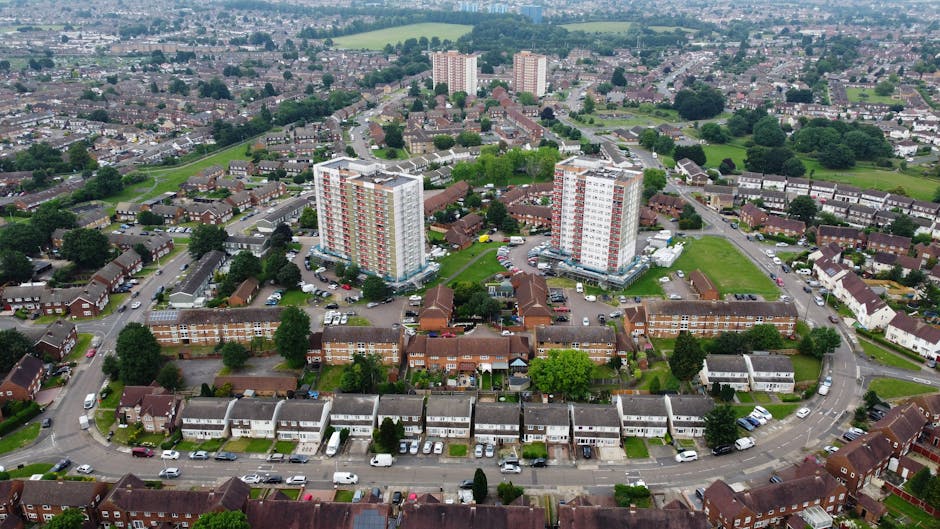
Uxbridge is a historic town in the London Borough of Hillingdon in west London, long associated with the River Colne, the Grand Union Canal and the development of transport links that shaped the wider area. The canal corridor remains an important part of the local landscape, with waterside walks, bridges and stretches of industrial heritage that reflect earlier trade routes and later urban change. The town centre combines older streets with more modern retail and civic buildings, giving the area a layered character rather than a single architectural style. Uxbridge developed significantly over time from a market settlement into a suburban centre connected to London by road, rail and tram-era improvements in the surrounding region. St Andrew’s Church and the older town fabric contribute to the sense of continuity, while nearby open spaces such as the Colne Valley provide a contrasting rural edge. The area also has a strong educational and administrative presence, with campus life and local institutions adding daily movement to the town. Together these features make Uxbridge a place where historic traces, waterways, green space and contemporary urban use sit alongside one another in a compact and well-connected part of west London.
Office and commercial removals

Business moves call for a different sort of organisation from domestic removals. Desks, storage, chairs, equipment and paperwork all need a clear order so that the relocation supports continued working rather than creating confusion. Our office removals page fits commercial moving work where layout, access and sequence all matter, particularly when the move has to be completed with care around equipment and internal routines.
Commercial moving can include smaller office suites, shared workspaces, consultation rooms or storage-heavy premises. In practice, the work often depends on sequencing: what leaves first, what needs wrapping, what can be stacked, and what should stay separate to avoid damage or interruption. Careful labelling and grouped transport can make the receiving end easier to unpack and can help teams settle the new space more efficiently.
Practical planning matters just as much in business removals as it does in home moves. Knowing which furniture can be dismantled, which items are sensitive and whether lifts, loading bays or timed access apply all helps shape the job. When you ask for a quotation, include the types of items being moved and whether the relocation is for a working office or an empty space that can be handled more flexibly.
Vehicle options and transport choices

The right transport option depends on the scale of the move, the volume of items and how the route can be managed. Some removals need a larger vehicle for bulky furniture and multiple loads of boxes, while others are better suited to a more compact setup that can access tighter streets or limited parking more easily. Our moving van and moving truck pages reflect the kinds of transport choices often considered for removals work.
Transport planning is not only about size; it is also about how the load is arranged. A well-packed vehicle can reduce movement in transit and make unloading more straightforward. Where the contents include mixed household items, fragile pieces and heavy furniture, the order of loading should support stability as well as speed. That approach helps keep the move orderly from collection through to placement at the destination.
Man and van removals
For smaller moves or straightforward collection and delivery work, a man and van style service can be a practical choice. It can suit single-room moves, partial household relocations, furniture transport and items that do not justify a larger removal setup. The value lies in matching the level of transport and handling to the actual task instead of overcomplicating it.
Man and van removals are often most useful when the job has a limited volume but still needs professional handling. That might include a few large items, boxed belongings, office contents or a mixed load that needs to be collected and delivered in one visit. The move can still benefit from proper wrapping, careful lifting and a logical loading sequence, particularly where items are valuable, fragile or awkward in shape.
If you are deciding between a smaller moving arrangement and a fuller removal service, think about the number of items, how much lifting is involved and whether the loading point is easy to reach. Clear access, sensible packing and accurate item counts all help the quotation process. A concise description of the job is usually better than trying to overstate or understate the work involved.
Furniture, single items and careful handling

Not every move is a full house or office relocation. Some jobs involve one item of furniture, a few awkward pieces or a collection that needs to be moved safely without unnecessary handling. Our furniture pick-up page suits that kind of work, where the emphasis is on transport, lifting and protecting individual items rather than a whole-property move.
Furniture removals often require more than strength alone. Item shape, weight distribution, finish and access all affect how it should be carried. Large wardrobes, dining tables, sofas and beds may need dismantling or extra protection before loading. Smaller but delicate pieces, such as mirrors or shelving, may need softer packing or separation from heavier goods. Every item benefits from being treated according to its construction rather than as part of a generic load.
Simple preparation can improve a furniture move considerably. Clear the routes, remove loose contents where appropriate and identify anything that may need two people to lift or turn. If you have several pieces to move, group them by room or by priority and ask for a quotation that reflects the number, size and condition of the items. That keeps the job easier to assess and less likely to surprise anyone on the day.
Why moving plans benefit from a clear sequence
Removals work best when the sequence is agreed before the vehicle is loaded. That means deciding what leaves first, what should stay accessible until the end and what needs immediate placement at the destination. For a household, that may involve essentials, fragile items and heavy furniture. For a business, it may mean equipment, records and furniture arranged so the receiving space can be set up in a sensible order.
Our home moves page reflects the broader domestic side of this work, where the objective is to move household contents carefully while keeping disruption within reasonable bounds. A planned move tends to work better when boxes are grouped well, loose fittings are removed from larger pieces and any particularly fragile items are clearly identified before loading begins.
It is also sensible to think about what should not be left until the last moment. Items that are essential for the first night, valuables you want to keep close and anything requiring special handling should be separated early. If you need help with a move in Uxbridge, ask for a quotation once the main items and access details are known, then review the proposed service against the actual moving needs.
Service details that influence the quotation
Several practical factors shape the cost and structure of a removal job. These may include the volume of belongings, the type of property, the distance between collection and delivery, whether packing is needed and whether any items need dismantling before transport. Access matters too, especially if there are stairs, narrow corridors, timed loading arrangements or limited parking near either property.
The most useful quotation request is specific without being overcomplicated. A simple summary of the main furniture, number of boxes, special items and any awkward access can give a better starting point than a vague estimate. If the move includes both household and business contents, or if it involves a mixture of large furniture and small packed items, say so clearly. The more precise the description, the easier it is to match the service to the work.
It can also help to decide in advance whether you want a basic transport-only arrangement or a more complete moving service. Some customers only need the load carried and delivered, while others prefer support with packing, handling and positioning at the destination. Request a quotation when you know which of those options best fits your plans, and use that to compare scope rather than focusing only on the headline figure.
Choosing the right removals support
Different moves call for different levels of help, which is why the service should fit the job rather than the other way around. A small flat move, a house relocation and a commercial premises transfer will not all need the same approach. That is why we keep the moving options broad enough to suit varied requirements while still paying attention to the details that affect handling, packing and transport.
Our removal services page is a sensible starting point if you want to understand the range of moving work available in one place. It can sit alongside the more specific pages for domestic, office and furniture moves, helping you judge whether your job needs a focused or mixed approach. The important thing is to define the contents and the destination clearly before choosing the level of support.
If you are planning removals in Uxbridge, the next step is simple: compare the type of move, the items involved and the access details, then request a quotation that reflects the actual job. Tell us what needs moving, and we can shape the work around that brief rather than forcing it into a one-size-fits-all pattern.